Email List vs Social Media: Why One of These Is Worth More (And It’s Not Followers)
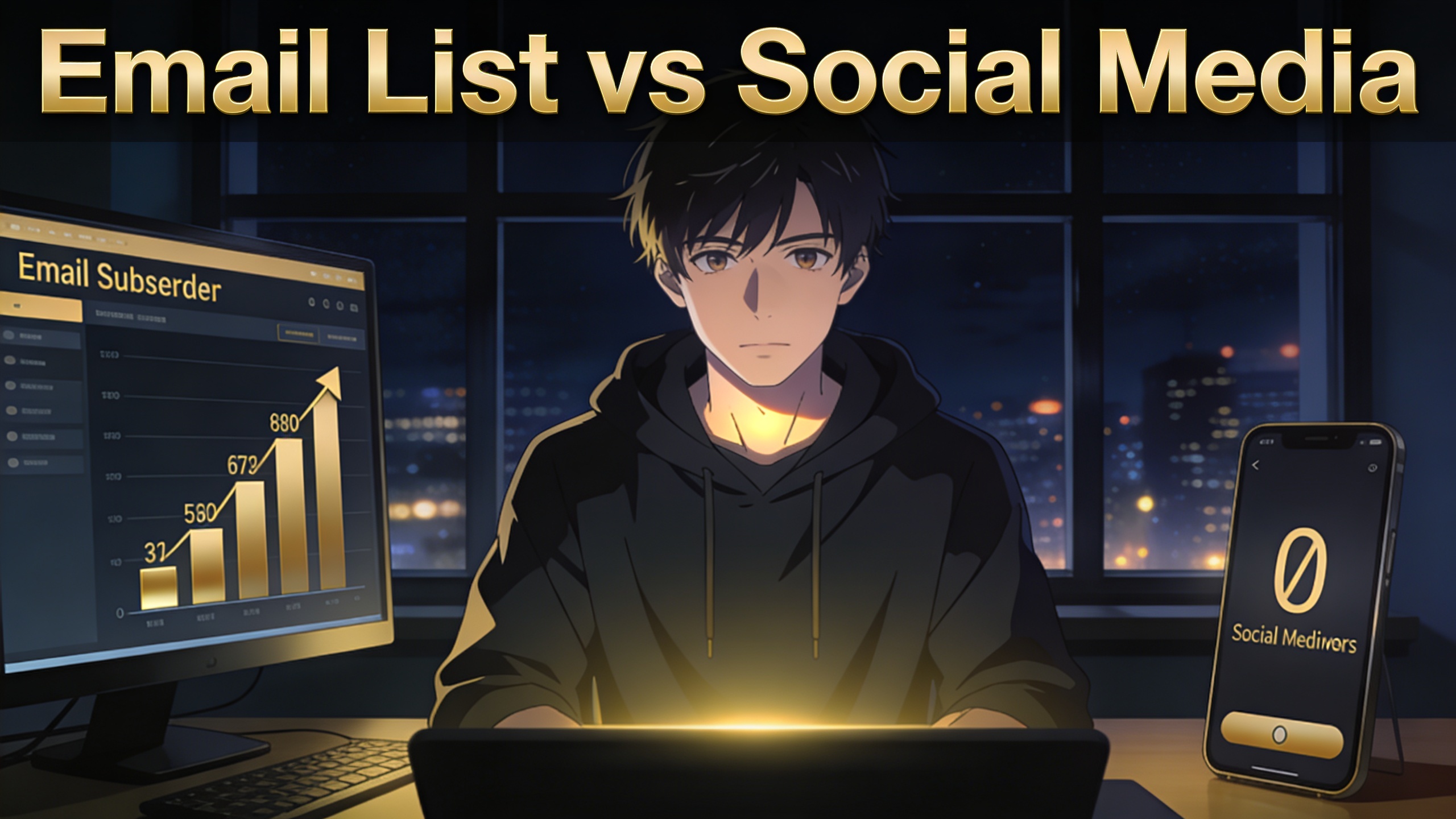
When I started building WealthDiagram, I made a deliberate choice before I posted a single piece of content: I was going to focus on the email list first. Not Instagram. Not TikTok. Not YouTube subscribers — even though I’m building a YouTube channel alongside this blog.
That might sound backwards. Most people tell you to grow your social media following, get the numbers up, then monetize. But I disagree. And if you’re building any kind of online business from scratch right now, I think this decision matters more than most people realize.
Here’s why I think an email list is worth more than social media followers — and I’m saying this as someone who currently has zero of both. This isn’t a success story. It’s a strategic choice made before the race even starts.
The Fundamental Difference: Rented vs. Owned
Every social media platform — Instagram, TikTok, YouTube, X, whatever comes next — is a landlord. You’re a tenant. You build your audience on their land, using their rules, subject to their algorithm changes, their monetization policies, and their business decisions.
You don’t own those followers. You’re borrowing access to them. And the landlord can change the rent, lock you out, or demolish the building at any time.
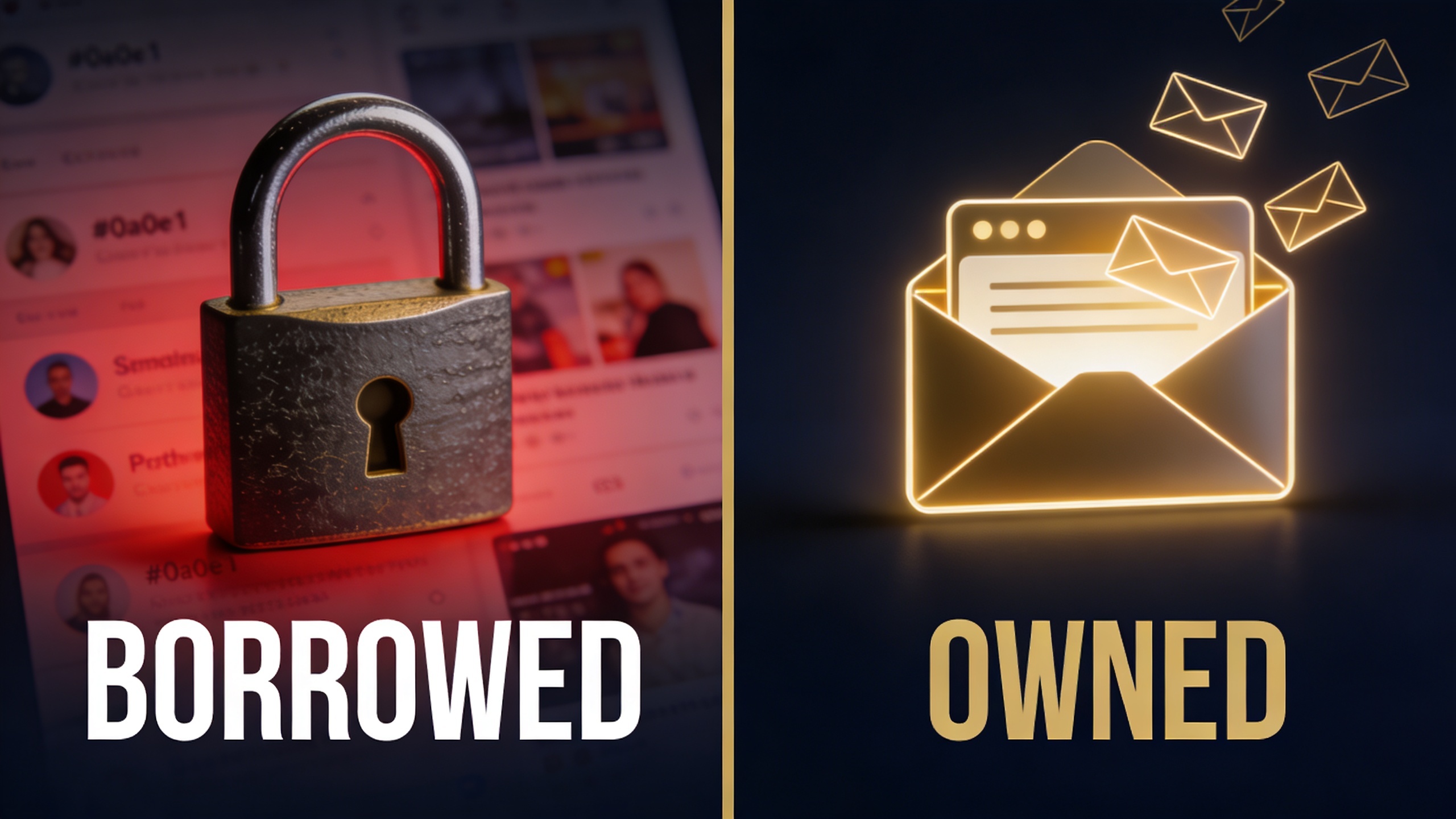
An email list is different. Those subscribers chose to give you their email address. They live in their inbox — a space that isn’t controlled by any single platform. Gmail might filter your emails to the promotions tab. Outlook might mark you as spam occasionally. But nobody can take your list away from you. Export it as a CSV and it goes with you wherever you go.
Think about it this way: 10,000 Instagram followers might get you 300 views on a post if the algorithm is in a good mood. 1,000 email subscribers can mean 400–600 people actually reading your message — every single time you send it.
That’s not an exaggeration. Industry average email open rates sit around 35–45% for niche audiences. Organic social media reach on most platforms is under 5%. The math isn’t even close.
What Happens When the Algorithm Changes
Ask anyone who built a business on Facebook organic reach in 2013. Or Pinterest. Or LinkedIn. Or Twitter before it became X. Or the YouTube creators who got demonetized overnight. Every major platform has had at least one seismic algorithm change that wiped out years of organic growth for creators who had no other channel.
I’m not saying social media is useless — far from it. YouTube is a core part of my strategy. But I’m treating YouTube as a discovery engine: people find the content there, and the goal is to move them onto the email list. That’s where the relationship actually lives.
When I publish a new blog post, release a new video, or launch a new product, I don’t have to hope the algorithm decides to show it to people. I send an email. Everyone on the list gets it. Done.
The Real Reason Most People Chase Followers Instead
Social media is faster to see results on. Post something, get likes. Watch the number go up. It feels like progress. Building an email list is slower, less visible, and doesn’t come with the same dopamine hit of a public follower count.
But here’s the thing: the follower count is mostly vanity. What matters in business is being able to reach people when you want to reach them. Email does that. A social following mostly doesn’t.
I’ve also noticed something in my own thinking. The temptation to post on social media and watch the numbers is strong — even when I know it’s not the highest-leverage activity right now. Recognizing that pull and consciously redirecting it toward list building is exactly the kind of shift that separates building a real business from playing the content creation game.

Email Converts Better — By a Wide Margin
If you ever want to sell something — a digital product, a course, a service, an affiliate offer — email is where conversions happen. Not because email is magic, but because the people on your list have already raised their hand. They signed up. They want to hear from you.
That’s a completely different relationship than a social media follower who double-tapped a post one time and forgot about you. Email subscribers are, on average, further along in the trust-building process. They gave you permission to show up in their inbox — that means something.
- Email average ROI: $36 for every $1 spent (DMA, consistent across years)
- Email click-through rates: 2–5% on average — often 10x higher than social media
- Social media organic reach: under 5% on most platforms, declining year over year
I’m building my email list through this blog. No freebie bait, no lead magnet promises. Just honest updates for people who want to follow the process. That means slower growth, but higher quality subscribers — people who are actually interested, not people who wanted a free PDF and unsubscribed the next day.
Does This Mean Ignore Social Media Completely?
No. Social media still matters for discovery — especially YouTube, which functions more like a search engine than a social platform. The strategy I’m building is:
- YouTube — long-form content that documents the process, optimized for search
- Blog — written deep dives on the same topics, built for Google SEO
- Email list — where the audience actually lives, where sales happen
Social media platforms are at the top of the funnel. The email list is where the funnel ends. Everything points toward getting someone onto the list, because that’s the only piece of this puzzle I actually own.
Start the List Before You Think You’re Ready
The biggest mistake I see people make is waiting until they have an audience to start their email list. “I’ll set it up once I have more followers.” That’s backwards. The list should exist before the followers do — so that every single person who discovers your work has a path to get on it.
I set up my email list before I had a single subscriber. Before I published my first post. Before I uploaded my first YouTube video. The infrastructure existed from day one, so that the moment someone found WealthDiagram and liked what they saw, there was somewhere for them to go.
That’s the move. Build the owned asset first. Let the social platforms be the traffic source, not the destination.
Want to follow the build in real time?
I send honest updates about what’s working, what isn’t, and what I’m testing next. No spam. No freebie bait.
Wealth Diagram
Personal finance, passive income, and building wealth on your own terms.